Relational & NoSQL Database Solutions
Comprehensive relational and NoSQL database solutions including MySQL, PostgreSQL, MongoDB, Cassandra, Redis, and cloud-native databases with expert consulting and implementation services for optimal data management.
Relational & NoSQL Database Excellence
With over 28 years of database technology experience, we design and implement comprehensive relational and NoSQL database solutions including MySQL, PostgreSQL, SQL Server, Oracle, MongoDB, Cassandra, Redis, DynamoDB, and cloud-native databases tailored to your specific use cases and requirements.
Complete Database Solutions
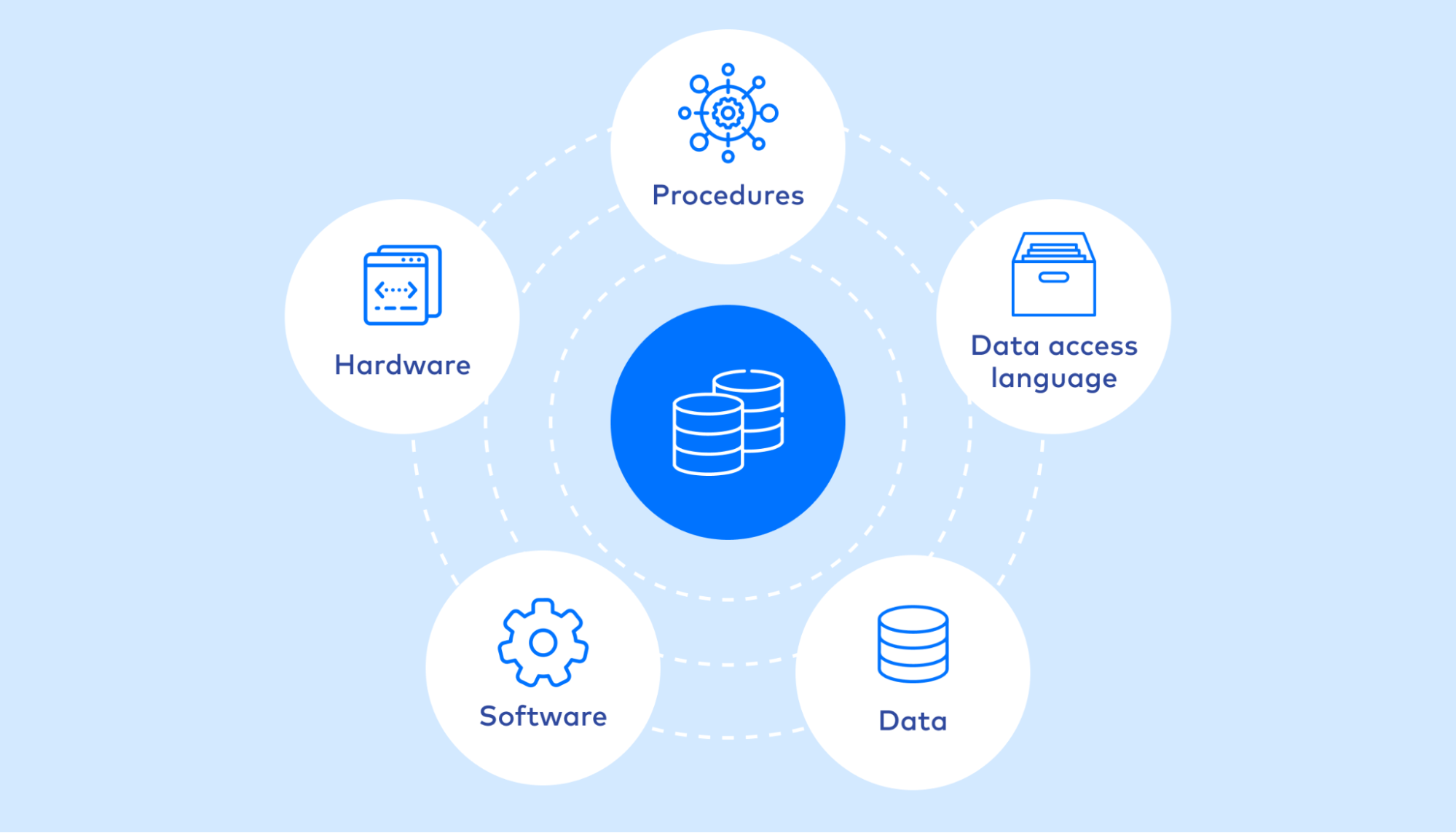
With over 28 years of experience, Data Processing LLC delivers comprehensive database solutions across both relational and NoSQL platforms. From traditional relational databases to modern NoSQL solutions and cloud-native databases, we ensure optimal data management strategies that combine the strengths of different database technologies to meet your specific business requirements and scalability needs.
Relational & NoSQL Database Services
Comprehensive database solutions across relational and NoSQL platforms
Relational Database Solutions
Comprehensive relational database solutions including MySQL, PostgreSQL, SQL Server, Oracle, and SQLite with ACID compliance, complex queries, and structured data management for traditional applications.
NoSQL Database Solutions
Modern NoSQL database solutions including MongoDB, Cassandra, Redis, DynamoDB, and Cosmos DB for flexible schema design, horizontal scaling, and high-performance document and key-value storage.
Cloud-Native Databases
Cloud-native database solutions with AWS RDS, Azure SQL, Google Cloud SQL, AWS DynamoDB, Azure Cosmos DB, and MongoDB Atlas for fully managed, scalable database services.
Hybrid Database Architectures
Hybrid database architectures combining relational and NoSQL databases for optimal data management with polyglot persistence strategies tailored to specific use cases and requirements.
Database Selection Consulting
Expert database selection consulting to help choose the right database technology (relational, NoSQL, or hybrid) based on your specific use case, data patterns, scalability requirements, and performance needs.
Multi-Database Integration
Seamless integration between relational and NoSQL databases with data synchronization, cross-database queries, and unified data access patterns for hybrid application architectures.
Frequently Asked Questions
Common questions about relational and NoSQL database solutions
How do you choose between relational and NoSQL databases?
The choice between relational and NoSQL databases depends on several key factors that we carefully evaluate for each project. Relational databases excel when you need ACID compliance, complex transactions, and structured data with clear relationships. They're ideal for financial systems, ERP, and applications requiring data consistency. NoSQL databases are better suited for scenarios requiring horizontal scalability, flexible schemas, and handling unstructured data. We analyze your specific needs including data structure, scalability requirements, consistency needs, and query patterns to recommend the optimal solution. Sometimes, a hybrid approach combining both types offers the best of both worlds, particularly for modern, complex applications with diverse data requirements.
What's your approach to database scalability and performance optimization?
Our approach to database scalability and performance combines proactive architecture design with continuous optimization. For relational databases, we implement vertical scaling, query optimization, proper indexing strategies, and read replicas where appropriate. With NoSQL databases, we leverage their native horizontal scaling capabilities, implementing sharding and partition strategies for distributed data management. We continuously monitor performance metrics, query patterns, and resource utilization to identify optimization opportunities. This includes regular maintenance tasks like index optimization, query tuning, and data archival strategies. Our solutions typically achieve sub-millisecond response times for common queries and can handle millions of transactions per day while maintaining performance.
How do you handle data migration and synchronization between different database types?
Data migration and synchronization between different database types requires careful planning and execution. We begin with a thorough analysis of source and target data structures, creating detailed mapping specifications that preserve data integrity and relationships. Our migration process includes custom ETL pipelines with validation at each step, ensuring data accuracy and completeness. For ongoing synchronization between different database types, we implement real-time or batch synchronization patterns using change data capture (CDC), message queues, or event-driven architectures. We also provide rollback capabilities and maintain detailed audit trails throughout the process. This approach ensures smooth transitions while minimizing disruption to your operations.
What security measures do you implement for database protection?
Our database security strategy implements multiple layers of protection across both relational and NoSQL systems. We start with robust access control through role-based authentication and row-level security where needed. Data encryption is implemented both at rest and in transit using industry-standard protocols. For relational databases, we utilize features like SQL Server Always Encrypted or Oracle Transparent Data Encryption. In NoSQL systems, we implement field-level encryption for sensitive data. Regular security audits, automated vulnerability scanning, and comprehensive backup strategies ensure data protection. We also implement database activity monitoring, audit logging, and comply with major security standards including GDPR, HIPAA, and PCI-DSS.
Ready to Build Your Database Solution?
With over 28 years of database experience across relational and NoSQL platforms, we deliver optimal solutions. Let's discuss your database needs.